Understanding Light Bulb Replacement Costs
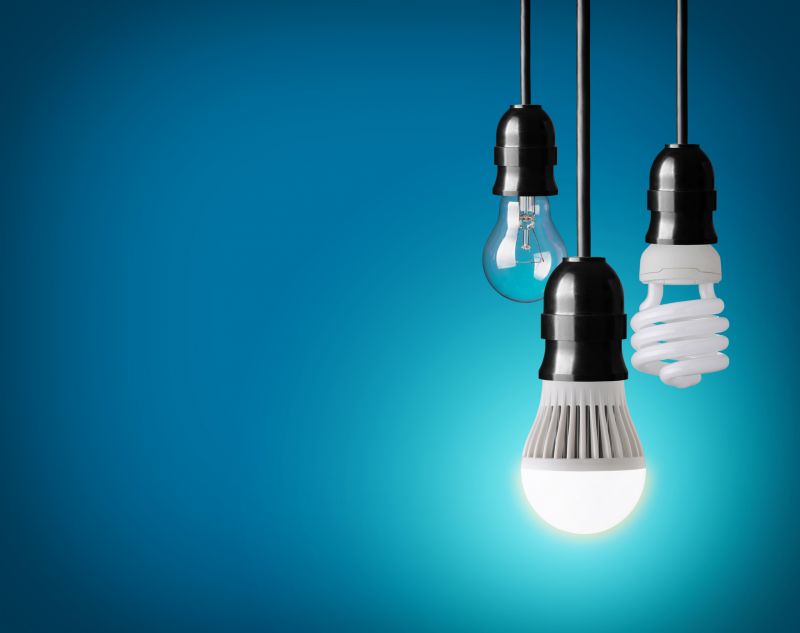
Different bulb types, such as LED, incandescent, or halogen, vary in price and longevity, affecting replacement costs.
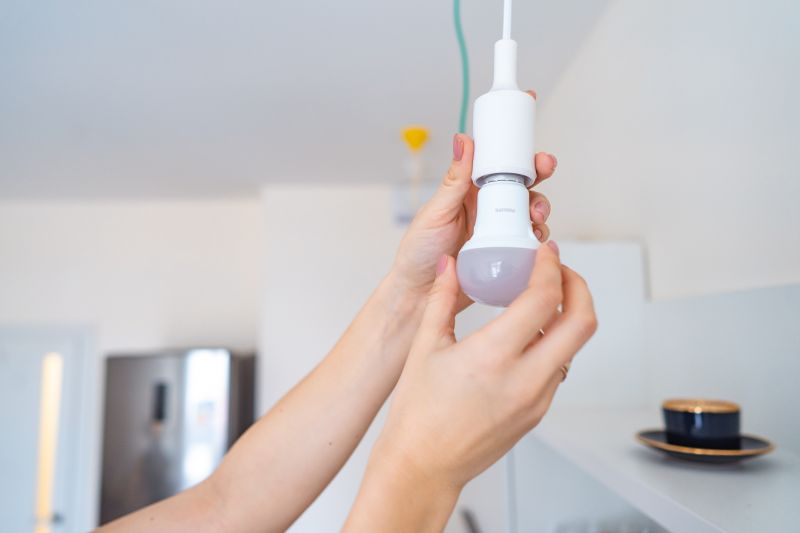
Easily accessible fixtures reduce labor time and costs, while fixtures in hard-to-reach areas increase expenses.
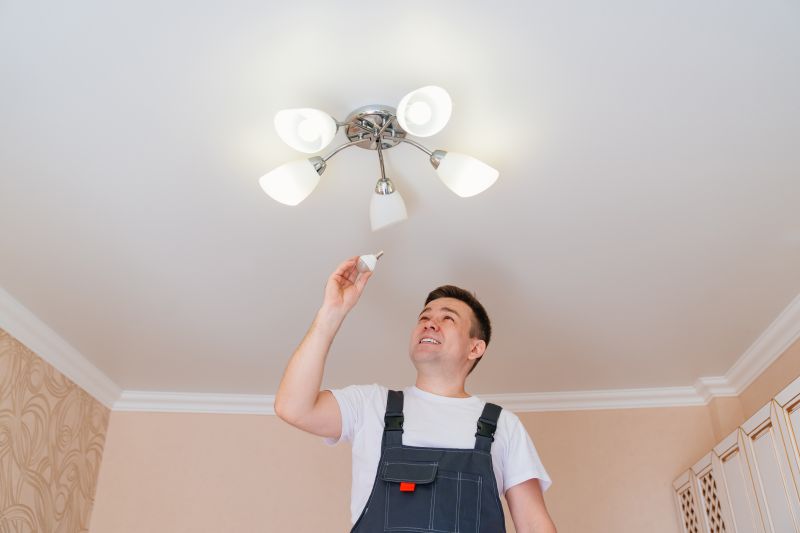
Labor charges differ based on location and provider, influencing overall changing costs.
| Factor | Impact on Cost |
|---|---|
| Bulb Type | LED bulbs tend to be more expensive upfront but last longer, reducing replacement frequency. |
| Fixture Location | Ceiling fixtures or recessed lighting may require additional work, increasing labor costs. |
| Service Complexity | Complex fixtures or those requiring special tools can add to the overall expense. |
| Labor Rates | Regional differences in labor charges can significantly influence total costs. |
| Bulb Quantity | Multiple bulbs in a single fixture or area will proportionally increase costs. |
| Replacement Frequency | Higher frequency of bulb changes increases total expenses over time. |
| Warranties and Guarantees | Extended warranties can add to initial costs but may save money long-term. |
| Energy Efficiency | More efficient bulbs may have higher initial costs but lower operational expenses. |
The cost of changing light bulbs varies based on multiple factors, including the type of bulb, accessibility of the fixture, and regional labor rates. LED bulbs, while more costly initially, often result in savings due to their longer lifespan and lower energy consumption. Fixtures located in high or hard-to-reach areas typically incur higher service charges due to increased labor and safety considerations. Service providers may also charge different rates depending on the complexity of the installation or replacement. Planning for these variables can lead to more accurate budgeting and scheduling for lighting maintenance.
Additional costs may arise from specialized tools or equipment needed for certain fixtures, as well as from the frequency of bulb replacements. Regular maintenance schedules and choosing energy-efficient lighting options can influence long-term expenses. Warranties or service plans offered by providers might add to initial costs but can provide cost savings over time by covering repairs or replacements. Understanding these factors ensures a comprehensive view of the potential expenses associated with light bulb changing services.
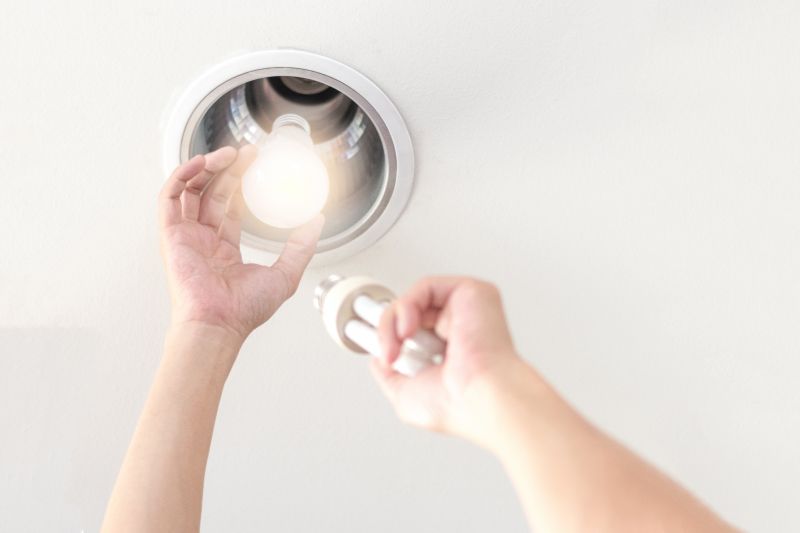
Accessing recessed fixtures can increase labor time and costs due to their placement and complexity.
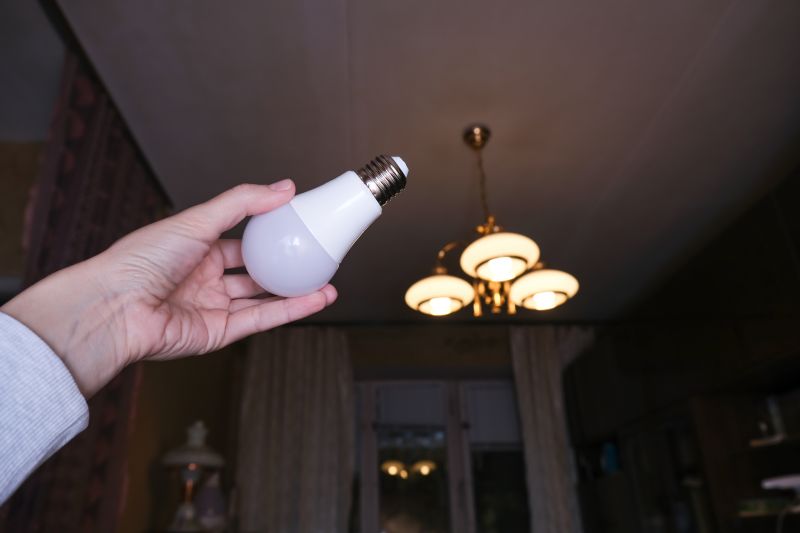
LED bulbs have higher upfront costs but offer longer lifespan and energy savings.
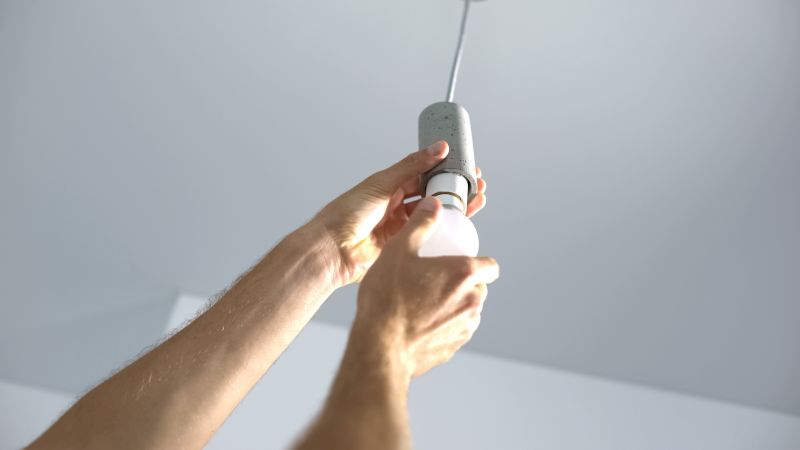
Fixtures in high ceilings or tight spaces require special equipment, raising service expenses.
| Related Service | Average Cost |
|---|---|
| Fixture Replacement | $150 - $300 per fixture |
| Lighting System Upgrade | $500 - $2000 |
| Emergency Lighting Maintenance | $100 - $250 per visit |
| Outdoor Lighting Service | $100 - $400 |
| Smart Lighting Installation | $200 - $1500 |
| Chandelier Cleaning & Maintenance | $100 - $350 |
| Sensor & Timer Installation | $75 - $200 |
| Ballast Replacement | $80 - $200 |
| Light Fixture Repair | $100 - $400 |
| Dimming System Installation | $250 - $1000 |